










Monday, June 5, 2023


Fraud Alert: Protect Your Business from Wire Transfer Scams
Fraudulent activity involving wire transfer requests is on the rise. Criminals may impersonate vendors, trusted contacts, or company executives and request urgent changes to payment instructions. Always verify wire instructions using a known, trusted phone number before sending funds. Contact us immediately if you suspect fraud.


Monday, June 5, 2023
Monday, January 24, 2022

Having an annual financial checkup is just as important as a physical checkup. A regular check of your financial health can help identify problems and allow you to chart a course to take steps towards achieving your goals. Contact us to get started on your financial checkup and together we will work to reach your financial goals.
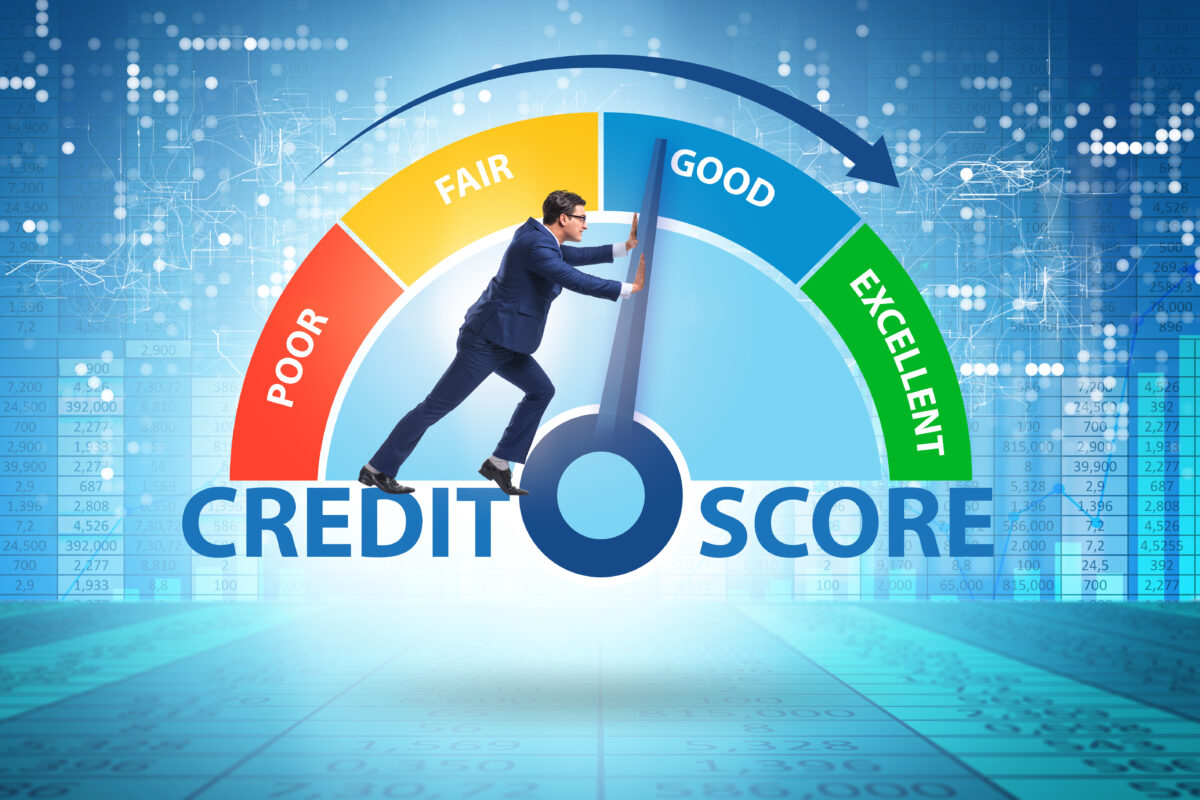
An important part of a financial checkup is understanding your credit report and credit score because they both impact your financial success.
Consumer Financial Protection Bureau (CFPB)

Sunday, December 1, 2024
Homeowners looking for a way to access a large sum of money may not have to look too far if they have accumulated equity in their home. Using the equity from your home can provide the cash you need for renovations or improve your overall financial position. And, this money can often be borrowed at a relatively low interest rate.
Home equity is the portion of your home that you’ve paid off. It’s the difference between what the home is worth and how much is still owed on your home loan. As your home’s value increases over the long term and you pay down the principal on the mortgage, your equity grows. Home equity is typically used for big expenses and often represents a more cost-effective financing option than credit cards or personal loans with high interest rates.
Tapping your home equity can be a convenient, low-cost way to borrow large sums at favorable interest rates in order to pay for home repairs or debt consolidation. However, the right type of loan depends on your specific needs and what you’re planning on using the money for.
There are not many limits on how you can use your home’s equity, but there are a few smart ways to make the most of your loan or line of credit.
Home Improvements
Home improvement is one of the most common reasons homeowners take out home equity loans or HELOCs. Besides making a home more comfortable for you, upgrades could raise the home’s value and draw more interest from prospective buyers when you sell it later on. Other home improvements that yield a solid return on investment include garage and entry door replacements, a new deck, a new roof or an outdoor area addition, like a patio.
College costs
A home equity loan or HELOC may be a good way to fund a college education. While student loans are still the most common way to pay for an education, the use of home equity can still be advantageous when mortgage rates are considerably lower than student loan interest rates. Before tapping your home equity, however, look at all the options for student loans, including the terms and interest rates. Defaulting on a student loan will hurt your credit, but if you default on a home equity loan, you could lose your house.
Also, if you want to fund your child’s education with a home equity loan product, be sure to calculate the monthly payments during the amortization period and determine whether you can pay off this debt before retirement. If it doesn’t seem feasible, you may want to have your child take out a student loan themself, as they will have many more income-making years to repay the debt.
Debt consolidation
A HELOC or home equity loan can be used to consolidate high-interest debt at a lower interest rate. Homeowners sometimes use home equity to pay off other personal debts, such as a car loan or a credit card as they are often able to consolidate debt at a much lower rate, over a longer term and reduce their monthly expenses.
The downside, however, is that you’re turning an unsecured debt, such as a credit card that is not backed by any collateral, into a secured debt – or debt that is now backed by your home. You also risk running up the credit cards again after using home equity money to pay them off, substantially increasing the amount of debt you have.
If you have a significant amount of unsecured debt with high interest rates and you’re having trouble making the payments, it may make sense to consolidate that debt at a substantially lower interest rate, saving yourself money each month. If you have a solid debt payoff plan, using home equity to refinance high-interest debt can help you get out of debt faster.

Wednesday, December 29, 2021

Refinancing your mortgage could help you reach your financial goals sooner rather than later, when done at the right time and for the right reasons.
A mortgage refinance is when you obtain a new mortgage to pay off your old mortgage. You are essentially obtaining a new mortgage loan with a different interest rate, term, and monthly payment than your old mortgage.
If you refinance to a lower interest rate, your monthly payment will likely decrease.
If you’ve made payments on your mortgage, you could potentially have equity in your home. Equity is the difference between your home’s fair market value and the amount you still owe on your mortgage. A cash-out refinance allows you to take advantage of the equity you have in your home to:
At the time you took out your mortgage, a 30-year term may have made the most financial sense. Over the years as your financial situation changes, a shorter term, like a 15-year mortgage, may make better financial sense for you now. It could possibly allow you to build equity faster and own your home sooner.
Refinancing your mortgage at the right time could help you reduce the total amount of interest that you pay over the life of your loan. The amount of interest you pay over the life of your loan is determined based on the interest rate and mortgage term. Having the ability to reduce one or both could save you significantly on interest in the long run.
A refinance can allow you to lengthen the term of your mortgage and lower your monthly payments. For example, you can refinance a 15-year mortgage to a 30-year mortgage and make a lower payment each month. Be mindful that when you lengthen the term of your mortgage, you may get a slightly higher interest rate, and a longer mortgage term means you will likely pay more interest over time.
Switching from a longer term to a shorter term, you will likely be taking advantage of lower interest rates. It usually (but not always) means your monthly payments will increase, so you’ll need to be prepared for that.
River City Bank offers a YOURgage – so you can refinance your mortgage without starting over. With a YOURgage, you don’t have to worry about going back to square one with a 15 or 30-year mortgage. You decide your term – anywhere from 8 to 29 years.
Learn more about River City Bank’s mortgage options.
Know The Costs – Application fee, appraisal fee, inspection fee, attorney review and closing fee, title search, insurance, etc.
Gather Your Documents – Two most recent pay stubs, W-2s, and bank statements.
Underwriting Your Loan – The underwriter examines all details of your application and supporting documentation for accuracy and guideline fulfillment.
Getting An Appraisal – Appraiser inspects your home and compares it to similar, recently sold homes in the area to determine its value. You may be exempt if you have had an appraisal in the last 120 days.
Closing Costs – Prior to closing, you will receive a Closing Disclosure with detailed information about closing fees, loan details, and payments.
Are you interested in refinancing your mortgage? Meet our team and contact a lender today.